Content Composed By-Winstead Fenger
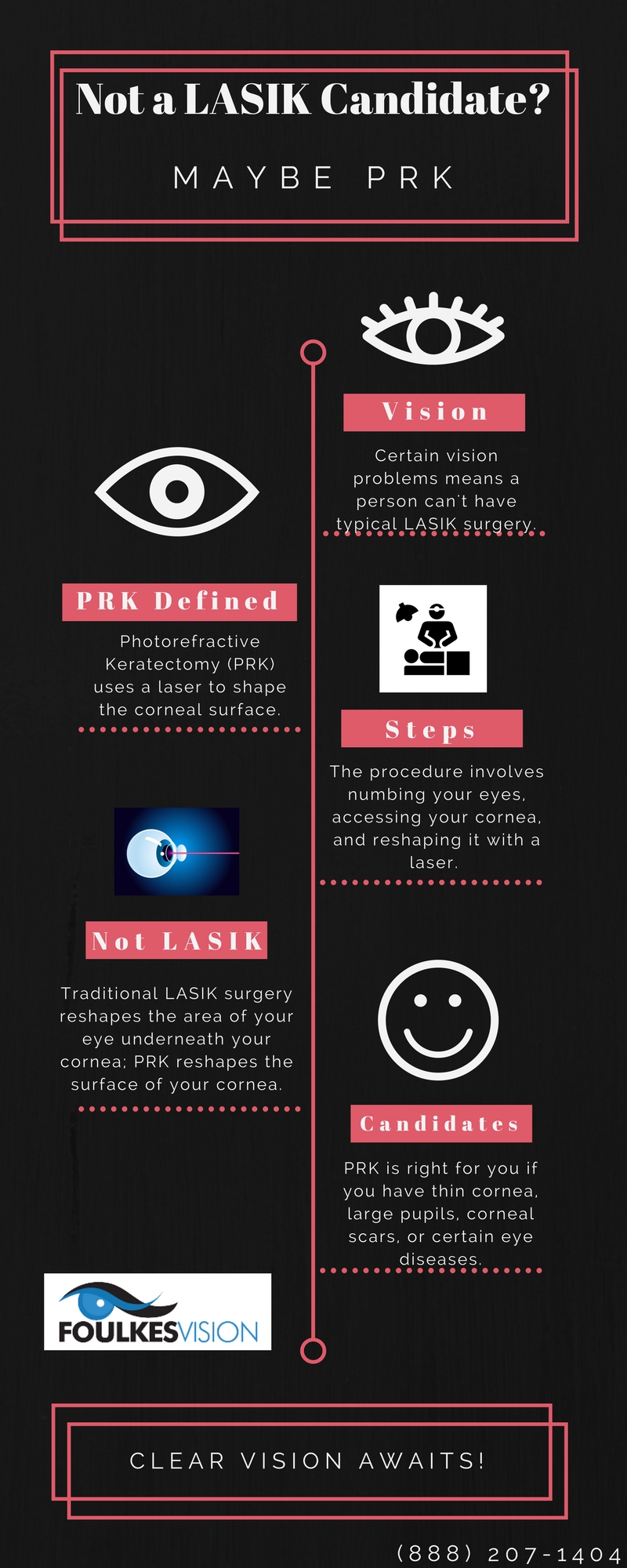
If you're taking into consideration vision improvement options, PRK eye surgery could be on your radar. It's created to reshape the cornea, aiding with astigmatism, nearsightedness, and farsightedness. Unlike LASIK, PRK avoids the corneal flap, making it a feasible option for those with thinner corneas. Yet is it the right fit for you? Let's explore exactly how PRK works, its advantages over LASIK, and what dangers you must know.
How PRK Surgical Procedure Fixes Astigmatism, Nearsightedness, and Farsightedness
PRK surgery effectively corrects astigmatism, nearsightedness, and farsightedness by improving the cornea.
During the procedure, your eye cosmetic surgeon makes use of a laser to remove a slim layer of corneal tissue, permitting light to focus appropriately on your retina. This adjustment modifies the curvature of your cornea, addressing the details refractive mistake you have.
If you're myopic, the laser flattens your cornea; if you're farsighted, it steepens it; and for astigmatism, it ravels abnormalities.
After surgical procedure, your vision usually enhances as your eyes recover, though healing may take longer than with LASIK.
PRK's efficiency makes it a viable alternative for those looking for clearness in their vision without glasses or get in touches with.
Conveniences of Finding PRK Over LASIK for Vision Correction
While many individuals take into consideration LASIK for vision improvement, selecting PRK can offer distinct benefits that make it a compelling choice.
One of the standout advantages is that PRK does not entail cutting a corneal flap, which reduces the risk of complications associated with flap-related problems. This makes PRK especially appropriate for people with thinner corneas.
Furthermore, PRK has a tried and tested performance history for dealing with higher degrees of astigmatism and works for those with dry eyes, as it maintains a lot more corneal nerves.
ASA PRK can be a bit much longer, however several find that the results deserve the wait.
Ultimately, picking PRK can give you with secure, resilient vision improvement customized to your specific demands.
Exist Threats or Disadvantages to PRK Eye Surgery?
What should you know about the dangers or downsides of PRK eye surgical treatment? While PRK can properly correct vision, it's important to be aware of potential complications.
You might experience pain, consisting of burning or itchiness, throughout the preliminary recuperation phase. This discomfort typically subsides, but some people report prolonged sensitivity to light.
In addition, there's a chance of under-correction or over-correction, which might demand further procedures.
learn this here now might take longer than with LASIK, occasionally several weeks. You may likewise deal with a greater risk of haze formation, especially if you have a history of completely dry eyes.
Constantly consult your eye care specialist to discuss these threats and establish if PRK is the right option for you.
Conclusion
To conclude, PRK eye surgical procedure can effectively fix astigmatism, nearsightedness, and farsightedness by reshaping your cornea. It supplies unique advantages over LASIK, especially for those with thinner corneas. While healing takes longer and may include some pain, the capacity for secure, lasting vision makes it a rewarding factor to consider. Always talk to your eye treatment professional to identify if PRK is the appropriate option for your vision requires. Take the initial step in the direction of clearer sight today!